Your Toothbrush May Have More Bacteria Than Your Toilet Seat
It sounds shocking—but it’s true. Your toothbrush can collect millions of bacteria if it’s not cleaned and stored properly. In fact, studies have shown……
Why Does a Toothbrush Collect Bacteria?
Every time you brush, your toothbrush comes in contact with:
- Bacteria from your mouth
- Food particles
- Saliva
- Moisture from the bathroom environment
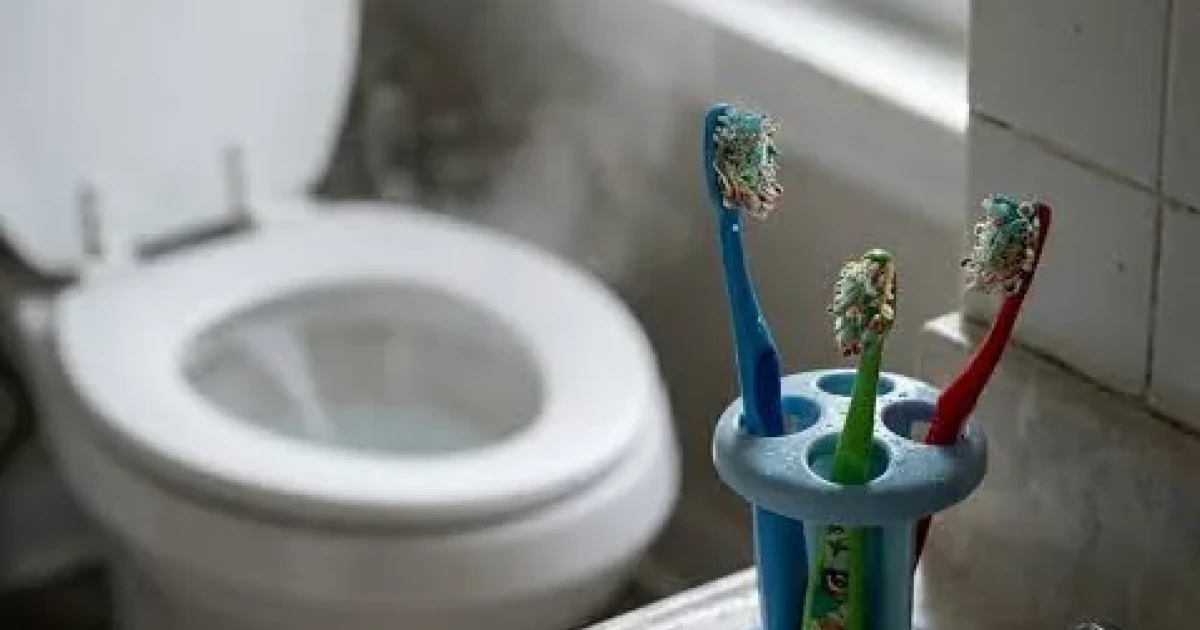
A wet toothbrush kept in a closed or humid area becomes the perfect place for germs to grow. When toothbrushes are stored near toilets, tiny droplets released during flushing can spread bacteria into the air.
This is called the “toilet plume effect.”
If your toothbrush is left uncovered near the sink or toilet, germs can settle on the bristles.
Can a Dirty Toothbrush Harm Your Teeth?
Yes, over time it can contribute to:
- Bad breath
- Gum infections
- Increased bacteria in the mouth
- Reinfection after illness
An old or contaminated toothbrush also cleans less effectively.
Signs It’s Time to Change Your Toothbrush
You should replace your toothbrush if:
- Bristles are frayed
- It’s older than 3 months
- You recently had a cold, flu, or infection
- It smells unpleasant
- It has discoloration or buildup
How to Keep Your Toothbrush Clean
1⃣ Rinse Thoroughly After Use
Wash away toothpaste and debris with clean water.
2⃣ Store It Upright
Allow it to air dry completely.
3⃣ Avoid Closed Containers
Closed caps trap moisture and encourage bacterial growth.
4⃣ Keep It Away from the Toilet
Store your toothbrush as far as possible from the toilet area.
5⃣ Never Share Toothbrushes
Sharing spreads bacteria and infections easily.
6⃣ Replace Every 3 Months
A fresh toothbrush cleans better and stays more hygienic.
Should You Disinfect Your Toothbrush?
Usually, rinsing and proper storage are enough. However, antibacterial mouthwash or toothbrush sanitizers can help in certain situations—especially after illness.
What Type of Toothbrush Is Best?
Dentists usually recommend:
- Soft-bristled toothbrushes
- Small brush heads for better reach
- Electric toothbrushes for patients with difficulty brushing properly
The most important thing is using the toothbrush correctly and replacing it regularly.
Final Takeaway
Your toothbrush works hard every day—but if not maintained properly, it can become a breeding ground for bacteria. Simple habits like proper storage, regular replacement, and good oral hygiene can keep your toothbrush—and your mouth—healthy.
Get Expert Oral Hygiene Advice in Pune
At Lumiere Clinic, Aundh, we help patients improve their oral hygiene with preventive dental care, professional cleaning, and personalized guidance for healthier smiles.
Trusted resources
For additional reading from established medical organisations:
Further reading
Continue with these related notes from The Journal:
- Travel Smarter: Oral Care Tips for Trips and Festivals
- Tongue Posture for Jaw Growth and Better Breathing
- Your Smile May Be Aging Faster Than Your Skin
Talk to Lumiere Clinic
If this sounds familiar, get in touch or explore our dentistry care and doctor profiles in Aundh, Pune.
Lumiere Clinic
Editorial
Practical notes on dental health, prevention, and everyday wellbeing from the Lumiere Clinic team in Aundh, Pune.