
Oil Pulling with Cold-Pressed Coconut Oil: How to Do It and Its Potential Benefits
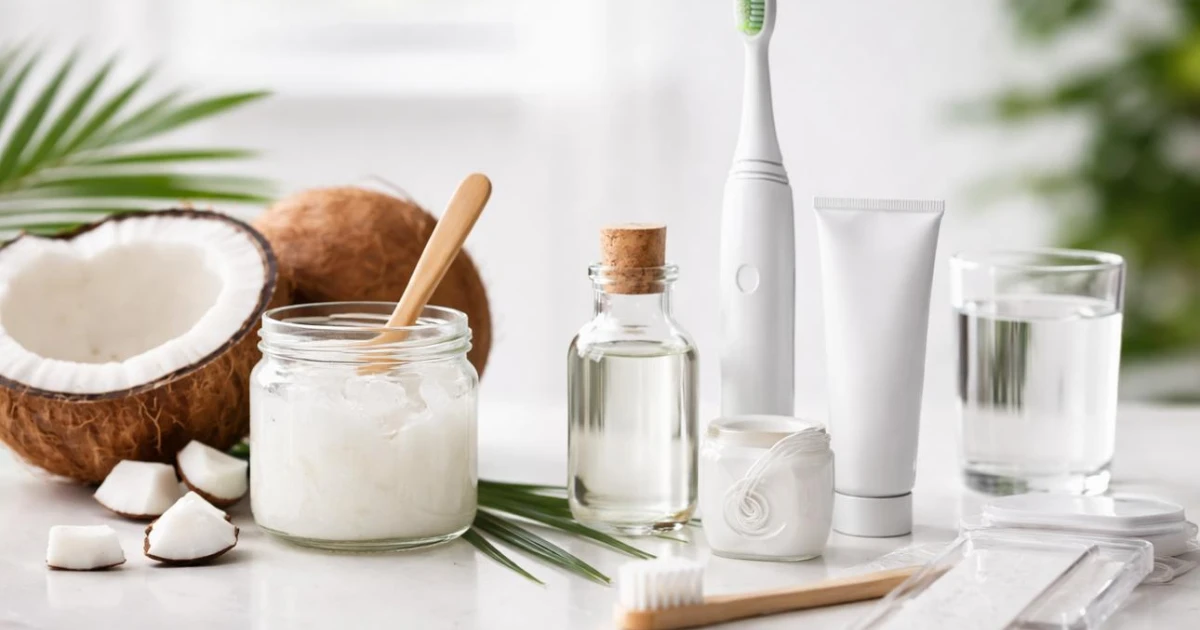
An ancient Ayurvedic oral-care practice, oil pulling is gaining popularity in modern wellness routines. Discover its origins, how to practise it with cold-pressed coconut oil, how often to do it and its potential role in maintaining healthy teeth and gums.
From ancient Ayurveda to modern oral care
Long before modern mouthwashes and specialised dental products became common, traditional Indian healthcare included practices to maintain oral hygiene.
One such practice is oil pulling, traditionally described in Ayurveda as Gandusha and Kavala. These practices involved holding or moving liquids, including edible oils, inside the mouth as part of a daily wellness routine.
Today, oil pulling is receiving renewed attention as people explore ways to combine traditional wellness practices with modern preventive dentistry.
But how can this practice fit into our everyday lives?
Why choose cold-pressed coconut oil?
Oil pulling can be performed using different edible oils, but coconut oil is a popular choice.
Coconut oil naturally contains lauric acid, a fatty acid that has demonstrated antimicrobial properties in laboratory studies. Researchers have therefore explored its potential influence on oral bacteria and plaque.
For this practice, virgin or cold-pressed coconut oil is a convenient option.
When choosing a product, look for:
100% pure virgin or cold-pressed coconut oil.
Food-grade quality suitable for consumption.
No added fragrance, flavour or artificial ingredients.
A properly labelled product from a reputable manufacturer, preferably with FSSAI details.
Avoid cosmetic coconut oils, hair oils and concentrated essential oils. These are not intended for oral consumption.
How to do oil pulling correctly
Oil pulling is simple and does not require complicated equipment.
A step-by-step routine:
Take approximately one teaspoon (5 ml) of edible, cold-pressed coconut oil.
Place it in your mouth.
Gently swish the oil around your teeth and gums.
Start with 2–5 minutes and gradually increase to 5–10 minutes if comfortable.
Do not swallow the oil or gargle forcefully.
Spit it into a dustbin, not the sink.
Rinse your mouth with water.
Continue with your regular brushing routine using fluoride toothpaste.
You do not need to force yourself to swish for 15–20 minutes. Comfort and consistency matter more than duration.
How often should you practise oil pulling?
There is currently no scientifically established ideal frequency for oil pulling. Clinical studies have used different schedules, including daily and twice-daily routines.
For someone interested in incorporating it into a wellness routine, starting with 2–3 times a week for 5–10 minutes is a reasonable, optional approach. This is a practical starting suggestion, not a clinically proven schedule.
If you enjoy the practice and tolerate it well, discuss a suitable routine with your dental professional.
Remember that oil pulling should always come after—not instead of—the essentials of daily oral hygiene.
What role can oil pulling play in oral health?
1. Plaque and bacterial control
Small clinical studies have explored whether coconut oil pulling may influence oral bacterial counts and plaque measurements. Some have reported encouraging changes, although the evidence is still limited.
2. Gum health
Healthy gums are essential for maintaining strong teeth. Some research suggests oil pulling may support improvements in certain gum-health measurements. However, it cannot treat established gingivitis or periodontitis on its own.
3. Cavity prevention
Dental cavities develop when plaque bacteria produce acids that damage tooth enamel. Oil pulling has not been proven to prevent cavities. Fluoride toothpaste, regular brushing, interdental cleaning and limiting frequent sugar exposure remain essential.
4. Teeth whitening
Oil pulling is sometimes promoted as a natural whitening method. However, there is no reliable evidence that coconut oil changes the natural shade of teeth or provides bleaching effects. Professional cleaning and dentist-supervised whitening are more appropriate options for visible discolouration.
Who may consider oil pulling?
Oil pulling may be an optional addition for adults who:
Are interested in traditional Ayurvedic oral-care practices.
Prefer including simple wellness rituals in their daily routine.
Want to explore additional oral-hygiene habits alongside regular dental care.
Young children and people who have difficulty swallowing or controlling oral movements should avoid it because of the risk of accidentally inhaling oil.
Stop the practice if it causes irritation, nausea or discomfort.
Can oil pulling replace your regular dental routine?
No. The best approach is to combine traditional practices with scientifically supported oral hygiene.
Continue to follow these essential habits:
Brush twice daily for two minutes with fluoride toothpaste.
Clean between your teeth daily using floss or an interdental cleaner.
Limit frequent sugary snacks and drinks.
Visit your dentist regularly for preventive examinations and professional cleaning when needed.
Oil pulling is an adjunct to oral care, not a standalone method.
Bringing traditional wisdom into modern dentistry
Oil pulling is a beautiful example of a traditional Indian wellness practice that continues to attract scientific interest.
Using good-quality, cold-pressed coconut oil may be a simple way to include this ritual in your oral-care routine, provided it is practised safely and with realistic expectations.
At Lumiere Clinic, Aundh, Pune, we believe in an informed approach to oral health—appreciating traditional practices while keeping evidence-based preventive dentistry at the centre.
Traditional wisdom can complement modern dentistry, but a healthy smile always begins with consistent daily care.
Lumiere Clinic
Editorial
Practical notes on dental health, prevention, and everyday wellbeing from the Lumiere Clinic team in Aundh, Pune.