Hydra facial Before a Wedding or Festival: What Can It Actually Do?
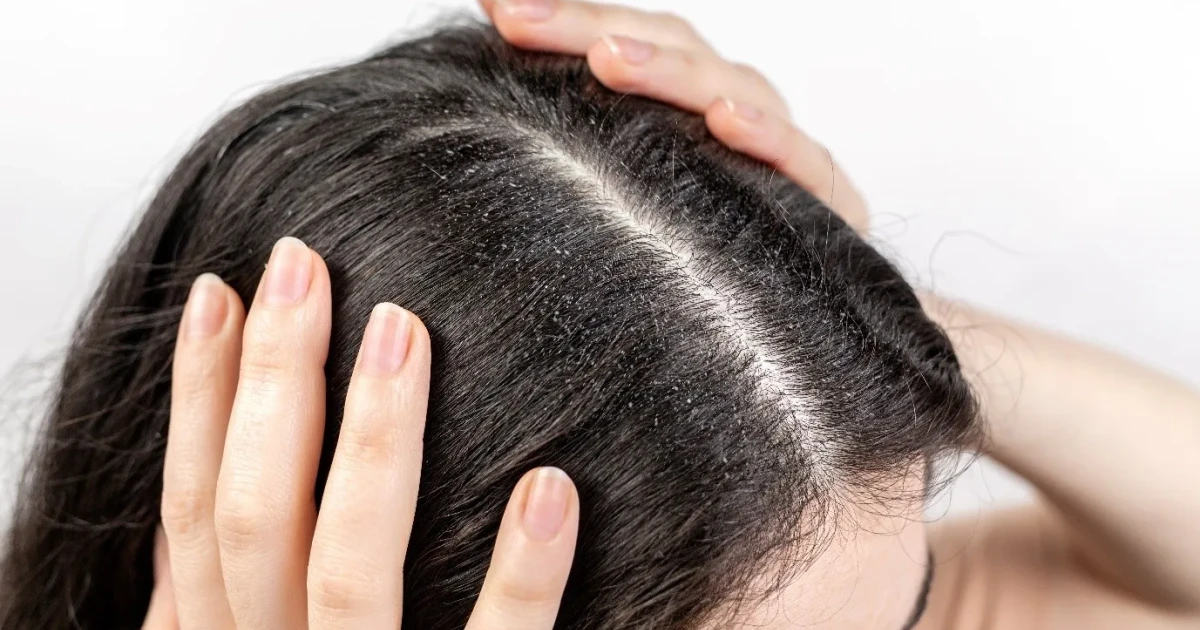
Not every white flake on your shoulders is dandruff. Winter weather can make both dandruff and dry scalp worse, but they have different underlying causes. Learn how to recognise the signs and understand what your scalp may actually need.
White flakes on your shoulders? It may not always be dandruff.
Winter often brings an increase in scalp complaints. You may notice white flakes on your clothes, itching after washing your hair or a persistent dry feeling on your scalp.
Most people immediately assume it is dandruff. However, dry scalp can produce similar symptoms.
Although both conditions cause flaking and itching, their underlying causes are different. Understanding this distinction is important because the wrong shampoo or treatment may not address the actual problem.
1. What is dry scalp?
Dry scalp occurs when the skin loses too much moisture or its natural protective oils.
Cold weather, low humidity, hot showers and harsh shampoos can contribute to scalp dryness. The scalp may feel tight, uncomfortable and itchy.
Common signs include:
Small, fine, white flakes.
A dry or tight feeling on the scalp.
Mild itching or irritation.
Dryness that may also affect other areas of the skin.
A gentle, moisturising shampoo and avoiding excessive heat may help when dryness is the main issue.
2. What is dandruff?
Dandruff is a common scalp condition associated with flaking and itching. It is often linked to seborrhoeic dermatitis, which involves inflammation and an interaction with a naturally occurring yeast called Malassezia.
Unlike simple dry scalp, dandruff can occur even when the scalp is oily.
Common signs include:
Recurrent white or yellowish flakes.
An itchy or irritated scalp.
Greasy or scaly patches in some cases.
Flaking that may also affect the eyebrows, sides of the nose or behind the ears.
Dandruff may become more noticeable during colder weather and can require an appropriate anti-dandruff shampoo.
3. Winter dandruff vs. dry scalp: What is the difference?
Dry scalp
Mainly related to loss of moisture.
Often produces small, dry flakes.
May feel tight or uncomfortable.
Can worsen after hot showers or harsh hair products.
Often responds to gentle, moisturising hair care.
Dandruff
Often associated with seborrhoeic dermatitis and scalp oil.
May produce white or yellowish flakes.
Can involve itching and greasy scaling.
May recur even with regular hair washing.
Often needs a suitable medicated anti-dandruff shampoo.
Flake appearance alone cannot confirm the diagnosis. Both conditions can overlap, so persistent symptoms deserve proper assessment.
4. Why does winter make scalp problems worse?
Several seasonal factors can affect scalp health:
Lower humidity: Cold outdoor air and indoor heating can increase moisture loss from the skin.
Hot showers: Very hot water may strip natural oils and aggravate dryness or irritation.
Harsh hair products: Frequent use of strong shampoos and styling products may irritate the scalp.
Existing dandruff: Cold weather can trigger or worsen flare-ups of dandruff and seborrhoeic dermatitis.
5. What should you do?
The right approach depends on the underlying cause.
If your scalp feels dry and tight, consider a gentle, non-medicated moisturising shampoo.
If you have persistent dandruff, an appropriate anti-dandruff shampoo may help. Ingredients such as ketoconazole, selenium sulphide or zinc pyrithione are used in dandruff formulations, depending on product availability and local regulations.
Follow the shampoo instructions carefully, including how long it should remain on the scalp.
Avoid very hot water and excessive scratching.
Do not apply multiple strong scalp treatments without understanding the cause of your symptoms.
6. When should you consult a dermatologist?
If flaking continues despite appropriate shampoo use, or you experience severe itching, marked redness, swelling, painful areas, bleeding, crusting or noticeable hair loss, seek a professional assessment.
Conditions such as psoriasis, eczema, contact dermatitis and fungal infections can sometimes resemble dandruff or dry scalp. Identifying the cause helps guide appropriate treatment.
Healthy scalp care starts with the right diagnosis
Dandruff and dry scalp may look similar, especially during winter, but they do not always need the same treatment.
Instead of changing shampoos repeatedly or trying multiple home remedies, pay attention to your scalp's symptoms and choose care based on its actual needs.
At Lumiere Clinic, Aundh, Pune, we believe in an individualised approach to skin and scalp health. A professional assessment can help identify the reason behind persistent flaking, itching or irritation and guide an appropriate care plan.
Because healthy hair begins with understanding the health of your scalp.
Lumiere Clinic
Editorial
Practical notes on dental health, prevention, and everyday wellbeing from the Lumiere Clinic team in Aundh, Pune.